
Contents [ Hide ]
- 1 What Are Phoenix Tears?
- 2 Phoenix Tears vs. Rick Simpson Oil (RSO)
- 3 Phoenix Tears CBD vs. THC: Understanding the Formulations
- 4 Phoenix Tears Benefits and Uses: What Is Phoenix Tears Good For?
- 5 What Phoenix Tears Strain Is Used?
- 6 How to Use Phoenix Tears Safely (Dosage & Administration)
- 7 Can You Smoke Phoenix Tears?
- 8 Where to Buy Phoenix Tears in Canada
Phoenix Tears (commonly known as Rick Simpson Oil or RSO) is a highly concentrated, full-spectrum cannabis extract made from whole cannabis plants. Known for its dark, viscous consistency, this potent cannabis oil contains a dense blend of cannabinoids (like THC and CBD) and natural terpenes. People primarily use Phoenix Tears for managing chronic pain, reducing inflammation, supporting sleep quality, and alleviating severe symptoms associated with long-term health conditions. It can be consumed orally, sublingually under the tongue, applied topically to the skin, or infused into food and offers a versatile option for those seeking potent, natural cannabis therapy.

What Are Phoenix Tears?
This concentrated full-spectrum extract is crafted to capture the complete biochemical profile of the cannabis plant. Unlike isolated cannabinoid products that contain pure THC or CBD, whole-plant formulations preserve a broad range of cannabinoids, terpenes, and natural compounds.
This full-spectrum composition leverages what researchers call the entourage effect: a botanical synergy where cannabinoids and terpenes work together to potentially amplify therapeutic outcomes. Originally developed and popularized by Canadian medical cannabis advocate Rick Simpson, Phoenix Tears gained international attention for its potency and whole-plant therapeutic approach.
The extraction process typically uses high-grade solvents like ethanol or supercritical CO2 to strip beneficial compounds from the plant material. The resulting concentrate is a thick, dark oil. Because of its thick consistency and high potency, Phoenix Tears is almost exclusively distributed in oral plastic syringes, allowing users to measure out extremely precise micro-doses.
Phoenix Tears vs. Rick Simpson Oil (RSO)
One of the most frequent questions consumers ask is: What is the difference between Rick Simpson Oil vs Phoenix Tears?
The short answer is there is no functional difference. The terms Phoenix Tears and Rick Simpson Oil (RSO) refer to the exact same full-spectrum, highly concentrated cannabis extract.
Rick Simpson Oil (RSO): Named after Rick Simpson, who pioneered the homemade solvent extraction method in the early 2000s.
Phoenix Tears: The common brand and product name adopted across Canada and medical cannabis communities for commercial-grade RSO formulations.
While both names describe dark, high-THC extracts meant for oral, sublingual, or topical use, commercial formulations sold today undergo rigorous laboratory testing and professional extraction processes to eliminate residual solvents, ensuring a safer and more consistent product than traditional home-brewed oil.

Phoenix Tears CBD vs. THC: Understanding the Formulations
While traditional Phoenix Tears is famous for its high Delta-9 THC content, modern legal cannabis markets now offer varied cannabinoid profiles tailored to different therapeutic goals.
| Feature | High-THC Phoenix Tears | Phoenix Tears CBD Oil |
| Primary Cannabinoid | Delta-9 THC (often 60%–90%) | Cannabidiol / CBD (often 1:1 or CBD-dominant) |
| Psychoactive Effect | High (intense mental and body effects) | Non-psychoactive or minimally psychoactive |
| Primary Uses | Severe chronic pain, deep sleep, appetite stimulation | Daytime inflammation, anxiety relief, mild pain |
| Best For | Experienced users or nighttime management | Beginners or those sensitive to THC |
High-THC Formulations
Classic concentrates focus heavily on THC. High-THC formulations bind directly to CB1 receptors in the central nervous system, which can help modulate pain signaling, induce muscle relaxation, and support rest.
Phoenix Tears CBD Oil
For individuals seeking phoenix tears benefits without intense intoxication, high-CBD or balanced 1:1 (THC:CBD) formulations are available. Phoenix Tears CBD provides systemic anti-inflammatory support and mood modulation while keeping psychoactive effects manageable for daytime use.
Phoenix Tears Benefits and Uses: What Is Phoenix Tears Good For?
Many individuals explore phoenix tears uses when standard over-the-counter or prescription options fall short. While anecdotal reports are extensive, emerging clinical research sheds light on how full-spectrum extracts interact with the human endocannabinoid system (ECS).
1. Chronic Pain and Neuropathy
People frequently use Phoenix Tears to help manage persistent conditions such as arthritis, fibromyalgia, migraines, and nerve damage. A review published in the Journal of Clinical Medicine noted that cannabinoids can significantly attenuate chronic pain by interacting with ECS receptors and modulating neurotransmitter release along pain pathways.
2. Inflammation Reduction
The full-spectrum profile contains potent anti-inflammatory compounds, including THC, CBD, and beta-caryophyllene. Research from the European Journal of Pain indicates that topical and systemic cannabinoids help reduce joint swelling and inflammatory pain markers.
3. Sleep Support and Relaxation
Due to its high concentration of sedating terpenes (such as myrcene and linalool) alongside THC, many users rely on Phoenix Tears to improve sleep latency and duration, particularly when pain disturbs rest.
4. Appetite Stimulation and Nausea Relief
For individuals experiencing severe nausea or loss of appetite due to chronic conditions or aggressive treatments, the high THC concentration in these oils can act as an effective appetite stimulant and antiemetic.
Medical Disclaimer: Phoenix Tears is a supportive wellness product and should not replace professional medical treatment. Always discuss cannabis therapies with your primary healthcare provider before beginning a new regimen.
What Phoenix Tears Strain Is Used?
This extract is rarely produced from a single, specific phoenix tears strain. Instead, producers select high-quality Indica or Indica-dominant hybrid strains to maximize the extract’s soothing and physically relaxing properties.
Heavy Indica strains such as Granddaddy Purple, Northern Lights, or Afghan Kush contain elevated levels of myrcene, a terpene known for enhancing cannabinoid permeability and producing deep physical relaxation.
How to Use Phoenix Tears Safely (Dosage & Administration)
Understanding how to use phoenix tears correctly is essential due to its extreme potency. A single drop can contain upwards of 25–30 mg of active THC.
Dosing Rule: Start Low, Go Slow
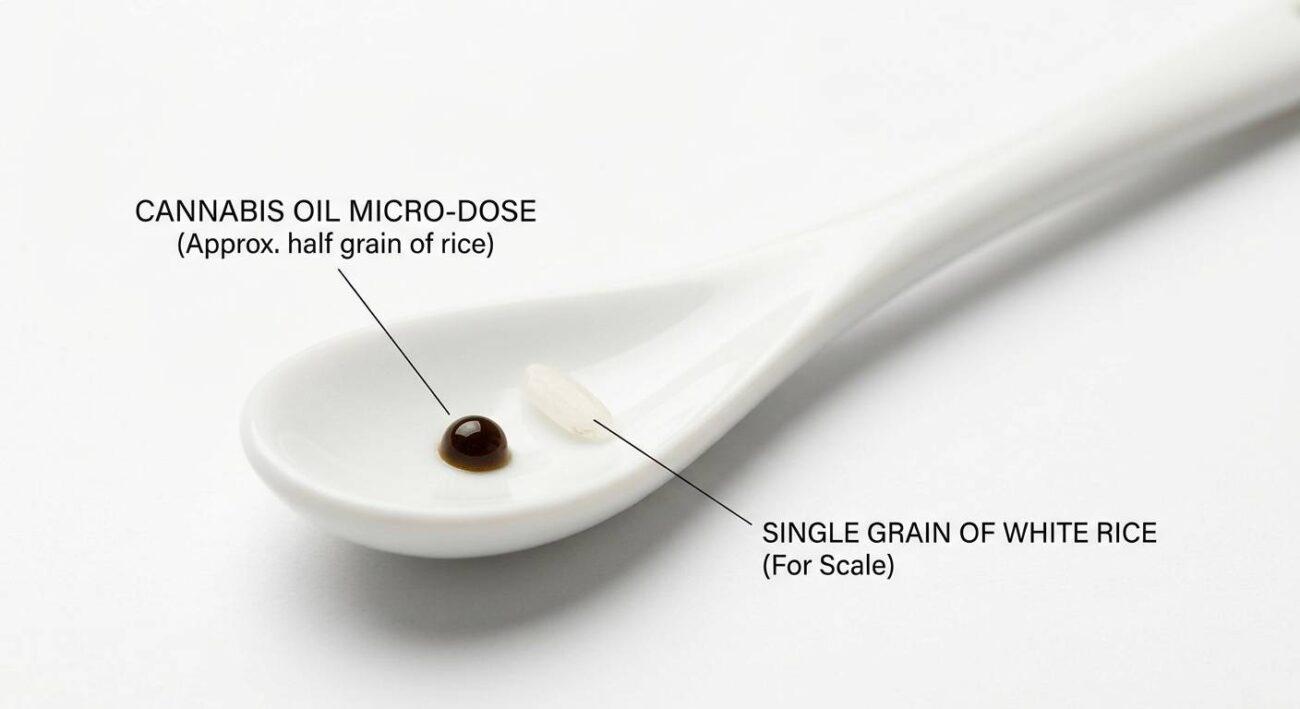
Initial Starting Dose: Begin with a dose no larger than half a grain of rice (approximately 2 to 5 mg of cannabinoids).
Observation Period: Wait at least 2 to 4 hours after your first dose to assess full physical and mental effects before considering taking any more.
Gradual Titration: If necessary, increase your dose incrementally every few days to find your minimum effective dose.
Consultation: Always discuss dosing schedules with a qualified health professional, especially if taking prescription medications metabolized by the liver.
Methods of Administration
                  ┌─────────────────────────────────────────┐
                  │      Phoenix Tears Administration       │
                  └────────────────────┬────────────────────┘
                                       │
         ┌─────────────────────────────┼─────────────────────────────┐
         ▼                             ▼                             ▼
┌──────────────────┐          ┌──────────────────┐          ┌──────────────────┐
│  1. Sublingual   │          │   2. Oral /      │          │   3. Topical     │
│  (Under Tongue)  │          │   Ingestion      │          │   Application    │
├──────────────────┤          ├──────────────────┤          ├──────────────────┤
│ Fast onset       │          │ Long-lasting     │          │ Localized relief │
│ (15–30 mins)     │          │ (4–8+ hours)     │          │ Non-psychoactive │
└──────────────────┘          └──────────────────┘          └──────────────────┘
Sublingual (Under the Tongue): Place a tiny drop of Phoenix Tears under your tongue and hold it for 60 seconds before swallowing. This method allows cannabinoids to absorb directly into the bloodstream through mucous membranes, leading to quicker onset (15–30 minutes).
Oral Ingestion: Swallow the extract directly or mix it into food (such as a spoon of peanut butter, yogurt, or a warm drink). When ingested, the oil is processed by the liver, converting Delta-9 THC into the more potent 11-hydroxy-THC. Onset takes 30 to 90 minutes, but effects last 6 to 8 hours or longer.
Topical Application: Apply a small amount directly to clean skin over sore joints, muscles, or localized skin irritations. Topical application does not cause psychoactive effects.

Can You Smoke Phoenix Tears?
A critical safety question many consumers ask is: Can you smoke phoenix tears?
No, you should not smoke or vape traditional Phoenix Tears (RSO).
Manufacturers create standard extracts using alcohol or organic solvents, formulating them exclusively for oral, sublingual, or topical consumption.
Why Inhaling Phoenix Tears is Unsafe:
Residual Solvents: If any trace solvents or fats remain from alcohol extraction, inhaling them can harm your lungs.
Plant Matter & Lipids: The concentrate contains residual plant lipids, waxes, and chlorophyll. Burning these materials produces harsh, unpleasant smoke and potentially toxic byproducts.
Fire Hazard: Alcohol-extracted oils that haven’t been purged specifically for inhalation can present combustion risks when exposed to direct flames or hot dab nails.
If you prefer inhalation methods like smoking or vaping, choose concentrates specifically manufactured for dabbing or vaping, such as live resin, distillate, or solventless rosin.
Where to Buy Phoenix Tears in Canada
In Canada, adult-use and medical cannabis are legal under the federal Cannabis Act. When looking for where to buy Phoenix Tears in Canada, consumers have two primary legal avenues:
Provincial Legal Retailers: Licensed brick-and-mortar storefronts and government-run online dispensaries (e.g., OCS in Ontario, BC Cannabis Stores in British Columbia, SQDC in Quebec) offer lab-tested oil syringes.
Medical Cannabis Providers: Registered medical patients can order regulated RSO and Phoenix Tears formulations directly from licensed producers (LPs) with direct medical guidance and potential tax-deductible expense options.
Always purchase from quality vendors to ensure your oil is free from harmful pesticides, heavy metals, or residual extraction solvents.
Frequently Asked Questions
Q: What are Phoenix Tears (RSO)?
A: Phoenix Tears also known as Rick Simpson Oil or RSO is a highly concentrated, full-spectrum cannabis extract containing high levels of cannabinoids (like THC and CBD) and terpenes. Derived from whole cannabis plants, it is formulated for oral, sublingual, and topical administration.
Q: Why do people use Phoenix Tears for pain management?
A: People use Phoenix Tears for pain management because its rich cannabinoid and terpene profile interacts with the body’s endocannabinoid system to reduce pain signaling and inflammation. Many users report significant comfort when managing chronic issues like arthritis or neuropathy.
Q: Can you smoke Phoenix Tears?
A: No, you should definitely not smoke or vape Phoenix Tears. Standard formulations contain plant lipids, chlorophyll, and potential solvent traces intended strictly for oral, sublingual, or topical use. Inhaling it can irritate or damage your lungs.
Q: How long do the effects of Phoenix Tears last?
A: When ingested or taken sublingually, the effects of Phoenix Tears typically last between 4 to 8 hours, with some users feeling lingering relaxation for up to 12 hours depending on dosage and individual metabolism.
Q: Are Phoenix Tears psychoactive?
A: Yes, high-THC Phoenix Tears formulations are potent and psychoactive. Users will experience strong physical and mental effects. High-CBD or balanced versions offer much lower psychoactive intensity.
Q: Who should avoid using Phoenix Tears?
A: Individuals with a low tolerance for THC, pregnant or nursing mothers, individuals with severe cardiovascular conditions, or anyone taking medications that interact with cannabinoids should avoid high-THC Phoenix Tears or consult a physician first.
