
Contents [ Hide ]
- 1 What Are Magic Mushrooms?
- 2 How Do Magic Mushrooms Work?
- 3 What Do Magic Mushrooms Do to Your Brain?
- 4 Magic Mushrooms Effects on the Body
- 5 Potential Psilocybin Benefits: What Does the Research Say?
- 6 Microdosing Magic Mushrooms
- 7 Can Magic Mushrooms Cause Hallucinations?
- 8 Are Magic Mushrooms Safe?
- 9 What Happens After the Effects Wear Off?
- 10 Magic Mushrooms and the Future of Psychedelic Research
- 11 The Bottom Line
Magic mushrooms have attracted growing interest because of their powerful effects on perception, mood, thoughts, and physical sensations. These mushrooms contain psilocybin, a naturally occurring psychedelic compound that the body converts into psilocin.
Research into psilocybin has expanded considerably in recent years, particularly around depression, anxiety, addiction, and other mental health conditions. At the same time, magic mushrooms can produce intense and unpredictable experiences, and they are not risk-free.
So, what do magic mushrooms do to your brain and body? How does psilocybin work, and what does the research actually say about microdosing and potential psilocybin benefits?
This guide explains the science behind magic mushrooms, their effects, potential therapeutic applications, risks, and what researchers currently understand about how psilocybin interacts with the brain and body.
Important: This article is for educational purposes and is not medical advice. Psilocybin is regulated differently around the world, and its legal status varies by jurisdiction. Anyone considering psychedelic substances should understand the applicable laws and potential health risks.
What Are Magic Mushrooms?
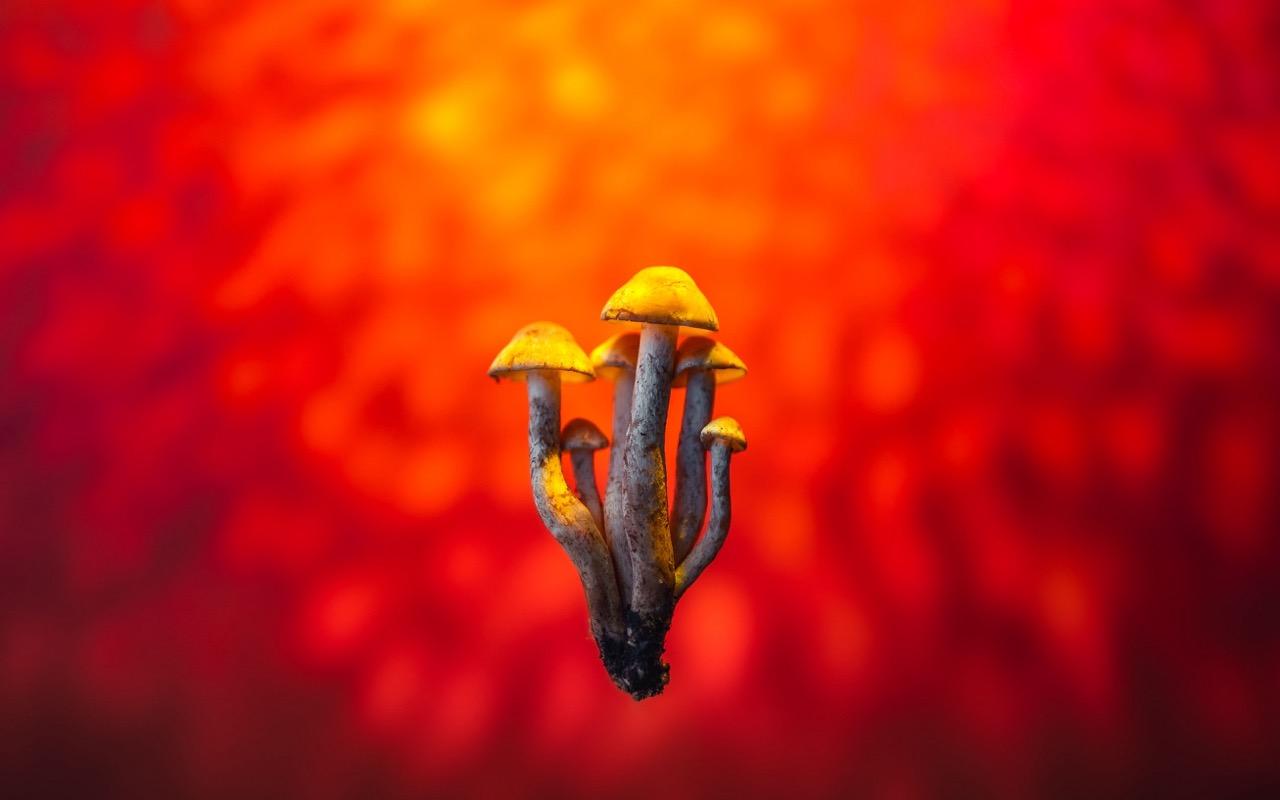
Magic mushrooms are a group of fungi that contain psychoactive compounds, primarily psilocybin and psilocin. Whole dried options can be found in the raw mushrooms collection, which includes a variety of classic and potent strains.
When consumed, psilocybin is converted by the body into psilocin, which is responsible for most of the psychedelic effects.
The experience can vary substantially depending on the mushroom species, amount consumed, individual physiology, surroundings, expectations, and other factors. Popular beginner-friendly strains such as Golden Teachers are often chosen for their balanced effects and introspective qualities.
People may experience changes in:
- Visual and auditory perception
- Time perception
- Mood and emotions
- Thought patterns
- Sense of self
- Sensory awareness
- Body sensations
Some people report positive or meaningful experiences, while others can experience fear, confusion, panic, paranoia, or overwhelming emotions.
For a scientific overview, see the National Institute on Drug Abuse (NIDA) information on psychedelic and dissociative drugs.
How Do Magic Mushrooms Work?
Understanding how magic mushrooms work starts with psilocybin’s conversion into psilocin.
After psilocybin enters the body, it is converted into psilocin. Psilocin interacts with several serotonin receptors in the brain, with particularly important activity at the 5-HT2A receptor.
Serotonin is a neurotransmitter involved in regulating mood, perception, cognition, sleep, and many other processes.
Rather than simply increasing serotonin throughout the brain, psilocin changes signaling through specific serotonin receptors. This can temporarily alter communication between brain regions and change the way information is processed.
Research using brain-imaging techniques has found changes in functional connectivity and brain network organization following psychedelic experiences.
The result can be a temporary shift in ordinary patterns of thinking and perception.
For an overview of current scientific research, the National Center for Complementary and Integrative Health (NCCIH) provides information about psychedelic medicines and ongoing research. A deeper look at the compound itself is available in our guide on what is psilocybin and its healing potential.
What Do Magic Mushrooms Do to Your Brain?
One of the most noticeable effects of magic mushrooms occurs in the brain.
After psilocybin is converted into psilocin, the compound interacts with serotonin receptors, particularly 5-HT2A receptors. This can change communication between different brain networks.
1. Altered perception
Colors, shapes, sounds, and other sensory experiences may seem unusually vivid or different. Some people experience visual patterns or other perceptual changes.
2. Changes in time perception
Minutes may feel much longer or shorter than usual. A person’s sense of time can become significantly distorted during an experience.
3. Changes in thinking
Thoughts may become more associative or unusual. Some people describe experiencing new perspectives or connections between ideas.
However, impaired judgment and difficulty concentrating can also occur.
4. Emotional changes
Psilocybin can intensify emotions. Depending on the person and environment, this may involve feelings of happiness, wonder, connectedness, sadness, fear, or anxiety.
5. Changes in self-perception
At higher psychedelic intensities, some people report temporary changes in their normal sense of identity or boundaries between themselves and their surroundings.
Researchers sometimes describe this phenomenon in terms of altered self-processing or “ego dissolution.”
Magic Mushrooms Effects on the Body
The magic mushrooms effects on the body are not limited to the brain.
Physical effects can include:
- Increased heart rate
- Temporary increases in blood pressure
- Dilated pupils
- Dizziness
- Nausea or stomach discomfort
- Sweating
- Trembling
- Changes in body temperature
- Changes in coordination
- Fatigue following the experience
These effects are generally temporary, but their intensity can vary.
Psilocybin can also produce significant psychological effects. Anxiety, panic, confusion, agitation, or frightening experiences are possible, particularly when someone is uncomfortable with the environment or overwhelmed by the experience.
People with certain psychiatric or cardiovascular conditions may face additional risks. Anyone with concerns about their health or medications should speak with a qualified healthcare professional.
Potential Psilocybin Benefits: What Does the Research Say?
Interest in psilocybin benefits has increased because clinical research has found promising results in several areas of mental health.
Researchers have investigated psilocybin-assisted therapy for conditions including:
- Depression
- Anxiety associated with serious illness
- Substance use disorders
- End-of-life psychological distress
- Other mental health conditions
Importantly, much of the strongest research has involved controlled clinical settings, carefully selected participants, psychological support, and professionally supervised administration.
This is different from taking mushrooms independently.
Clinical studies have reported promising results for depression and other conditions, but researchers are still studying the long-term effectiveness, safety, appropriate dosing, and which patients are most likely to benefit.
The Johns Hopkins Center for Psychedelic and Consciousness Research is one major research center investigating psychedelic compounds and their potential therapeutic applications.
It is therefore more accurate to describe psilocybin as a promising area of medical research rather than an established treatment for every mental health condition. Readers exploring different formats can browse the full range of magic mushrooms available online.
Microdosing Magic Mushrooms
Microdosing magic mushrooms generally refers to taking a very small amount of psilocybin with the intention of experiencing subtle effects rather than a full psychedelic experience.
People who microdose sometimes claim it improves:
- Mood
- Creativity
- Focus
- Energy
- Productivity
- Emotional well-being
Convenient options such as Kinoko Microdose Mushroom Capsules offer precise, low-dose formats designed for daily routines.
However, scientific evidence for these claims remains mixed.
Some observational studies have reported perceived benefits, but controlled research has raised the possibility that expectations and placebo effects may account for at least some reported improvements.
There is currently not enough high-quality evidence to conclude that microdosing reliably improves mental health or cognitive performance. For a more detailed overview of protocols, benefits, and safety considerations, see our comprehensive guide to what is microdosing with psilocybin.
In addition, “microdose” does not automatically mean “risk-free.” Individual responses can vary, and people may still experience unwanted psychological or physical effects.
For that reason, microdosing should not be considered a proven substitute for evidence-based mental healthcare.
Can Magic Mushrooms Cause Hallucinations?
Yes.
At psychedelic doses, psilocybin can cause substantial changes in perception, including visual phenomena and experiences that may be described as hallucinations.
A person’s interpretation of their surroundings can also change dramatically.
The experience is influenced by several factors, including the individual’s mental state, surroundings, expectations, the substance involved, and the amount consumed.
A calm environment does not eliminate risk, but stressful or unfamiliar surroundings may increase the likelihood of an unpleasant experience.
Are Magic Mushrooms Safe?
Magic mushrooms are not risk-free.
One important concern is psychological distress. A difficult psychedelic experience can involve intense anxiety, panic, paranoia, confusion, or fear.
There is also a risk of accidents because perception, coordination, judgment, and awareness of surroundings may be altered.
Another concern is misidentification. Wild mushrooms can resemble poisonous species, and consuming an incorrectly identified mushroom can result in serious poisoning.
People with certain psychiatric vulnerabilities may also face greater risks from psychedelic substances.
Anyone experiencing severe confusion, dangerous behavior, chest pain, seizures, loss of consciousness, severe agitation, or suspected mushroom poisoning should seek urgent medical attention.
What Happens After the Effects Wear Off?
The acute psychedelic effects eventually subside, but people may feel different afterward.
Some individuals report feeling tired, emotionally sensitive, reflective, or experiencing changes in mood. Others report relatively little after-effect.
Research into longer-term outcomes is ongoing.
Importantly, research findings from supervised clinical trials should not automatically be applied to unsupervised recreational use. Clinical research typically involves screening, preparation, controlled environments, trained professionals, and follow-up support.
Magic Mushrooms and the Future of Psychedelic Research
The renewed scientific interest in psilocybin represents a significant development in psychedelic research.
Scientists are investigating not only whether psilocybin can help certain patients, but also why it might work, how long benefits may last, which patients could benefit most, and how psychedelic-assisted therapy can be delivered safely.
One particularly interesting area is the relationship between temporary changes in brain network activity and longer-lasting changes in mood or behavior.
Researchers are still working to separate the effects of the drug itself from the effects of therapy, expectations, environment, and other factors.
This means the field is promising but still developing.
For readers interested in the scientific literature, PubMed provides access to published research on psilocybin and related topics.
The Bottom Line
So, what do magic mushrooms do to your mind and body?
The answer is complex. Psilocybin can temporarily change perception, thought, emotion, sensory processing, and brain-network communication. It can also produce physical effects such as increased heart rate, nausea, dizziness, and changes in coordination.
At the same time, modern research has identified potentially important therapeutic applications for psilocybin, particularly in carefully controlled clinical settings.
The science surrounding magic mushrooms, microdosing, and psilocybin benefits is evolving quickly. While early findings are promising, many questions about long-term safety, effectiveness, appropriate clinical use, and individual differences remain under investigation.
Understanding both the potential and the risks is essential when discussing psychedelic substances. Those curious about how these experiences compare to cannabis may find our article on the differences between weed and shrooms helpful.
Learn more about health, wellness, and cannabis-related topics on the Haute Health blog.
Frequently Asked Questions
Q: Why do people consume magic mushrooms?
A: People consume magic mushrooms for different reasons. Some are interested in altered perception or psychedelic experiences, while others report seeking personal insight, emotional experiences, creativity, or changes in mood.
Psilocybin is also being studied for potential therapeutic applications involving depression, anxiety, addiction, and other conditions. However, research conducted in supervised clinical settings should not be confused with unsupervised use.
Q: What do magic mushrooms do to your brain?
A: Magic mushrooms contain psilocybin, which the body converts into psilocin. Psilocin interacts strongly with serotonin receptors, particularly the 5-HT2A receptor.
This temporarily changes brain signaling and can alter perception, mood, thought patterns, time perception, and the sense of self. Research has also observed changes in communication between brain networks during psychedelic experiences.
Q: What do magic mushrooms do to your body?
A: Magic mushrooms can cause physical effects such as increased heart rate, temporary blood-pressure changes, dilated pupils, dizziness, nausea, sweating, trembling, and changes in coordination.
Psychological effects can include altered perception, emotional intensity, anxiety, confusion, or panic. Effects vary considerably between individuals.
Q: Can microdosing magic mushrooms improve mental health without causing hallucinations?
A: Microdosing is intended to produce subtle effects rather than a full psychedelic experience, and some people report improvements in mood or focus.
However, current controlled research does not provide strong enough evidence to say that microdosing reliably improves mental health. Expectations and placebo effects may contribute to some reported benefits.
Microdosing also cannot be assumed to be completely free from physical or psychological risks.
Q: How does psilocybin interact with serotonin in the body?
A: After consumption, psilocybin is converted into psilocin. Psilocin interacts with several serotonin receptors, particularly the 5-HT2A receptor in the brain.
This receptor activity is thought to play a major role in the changes in perception, cognition, emotion, and consciousness associated with psychedelic experiences.
Psilocybin does not simply "increase serotonin." Instead, it changes signaling through particular serotonin receptors and temporarily alters patterns of brain activity.
