
Contents [ Hide ]
If you have ever pondered existence while gazing up at the cosmos, you might already be familiar with magic mushrooms. Psilocybin, commonly known as magic mushrooms, is among the most potent psychedelic fungi on the planet. Revered and used by cultures worldwide, psilocybin has been relied on for spiritual, mental, emotional, and physiological support for millennia.
Today, beneficial fungi are popular supplements used by thousands. With over 10,000 known species and millions more to explore, varieties like Chaga, Reishi, Turkey Tail, Lion’s Mane, and Psilocybin have become foundational elements in natural medicine as powerful sources for antioxidants, immunity boosts, and brain and body support.

What Is Microdosing?
Essentially, microdosing is the practice of taking very small doses of a substance, in this case, psilocybin mushrooms, over time with the aim of achieving health benefits without experiencing psychedelic or psychoactive effects.
While full psychedelic doses can feel overwhelming or carry negative stereotypes like the fear of a “bad trip,” a growing body of research highlights the positive effects of psilocybin on patients managing mental health and behavioral challenges. You do not need to experience a full psychedelic journey to benefit from the natural properties of this fungus.
How Much Is a Microdose?
Microdoses are typically one-tenth (or smaller) of a standard recreational dose:
-
Standard Psychedelic Dose: A typical dose designed to induce mind-altering effects is around 3.5 grams (an eighth of an ounce).
-
Microdose Range: A microdose is drastically smaller, usually ranging between 0.2 to 0.3 grams per dose.
-
Finding Your Sweet Spot: Determining the right potency and frequency can take some personal experimentation. Always remember to start low and go slow, paying close attention to your body’s reactions.
The Science: Neurogenesis and Brain Health
If you follow leaders in the field like Paul Stamets, often called the “godfather of fungi,” you have likely heard of neurogenesis.
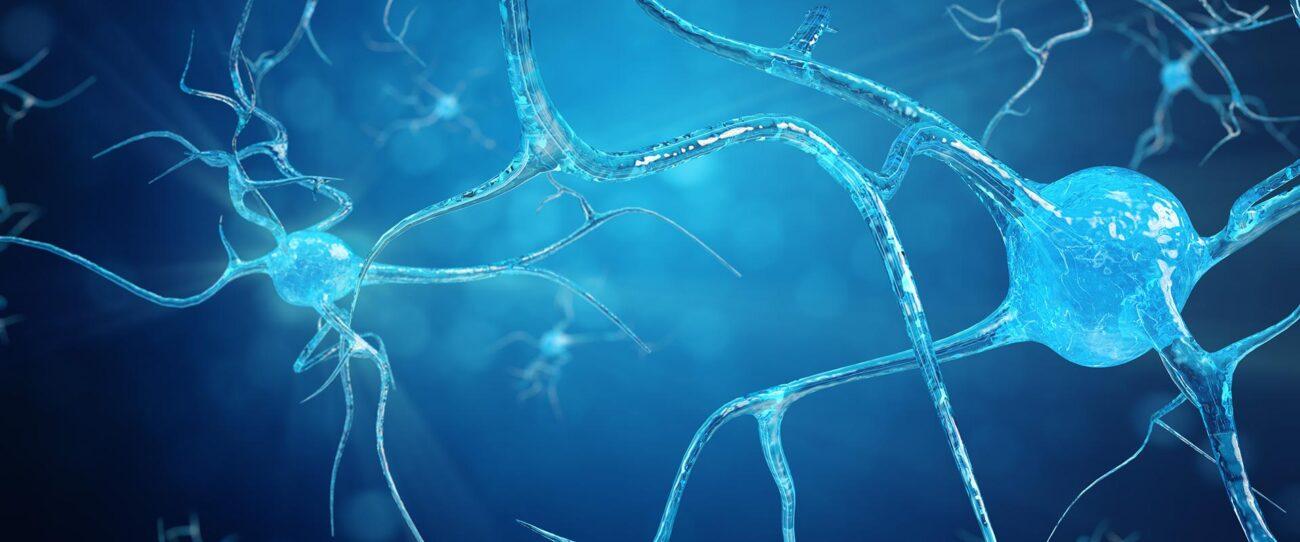
Neurogenesis refers to the creation and mapping of new neurological pathways and the growth of new neurons in the brain. When supported by neurogenesis, individuals often report:
-
Improved cognitive functions and mental clarity
-
Higher levels of focus and daily energy
-
A more positive, balanced demeanor
-
A surge in creative thinking and problem-solving behaviors
While controlled experiments yield ongoing data, results across psychological and behavioral studies indicate overwhelmingly positive mental, emotional, and physiological responses among participants.
How to Microdose: Be Safe, Start Low, Go Slow
Pacing yourself and understanding your personal goals are crucial steps before adding any new substance to your routine. Consider your past experiences, your reasons for microdosing, and any safety precautions.
The Recommended Microdose Schedule
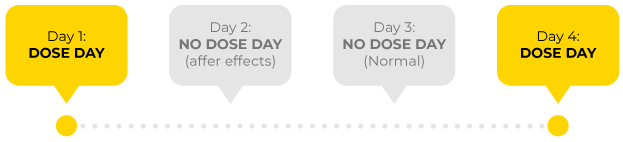
Because psychedelics affect everyone differently based on personal biology, a standard protocol is recommended to gauge your response. For an average-sized adult, a common starting point is 0.2 grams once every three days.
-
Day 1 (Dose Day): Take your microdose early in the day. Taking psilocybin after breakfast can assist with smooth digestion. Avoid microdosing at night, as it can occasionally interfere with sleep.
-
Day 2 (Transition Day): No dose (experiencing ongoing after-effects).
-
Day 3 (Rest Day): No dose (normal, resting baseline period).
-
Day 4: Microdose again, repeating the cycle.
Choosing Your Psilocybin Format
Finding the consumption method that suits your lifestyle ensures consistency and comfort:
-
Mushroom Tea: Brewing a warm cup of tea is a calming, comforting way to consume psilocybin, allowing you to steep the active compounds to your preference.
-
Raw Mushrooms: Eating dried caps or stems is common, but it can be imprecise. Active compound concentrations vary from bite to bite, and raw mushroom material can occasionally cause nausea or stomach cramps.
-
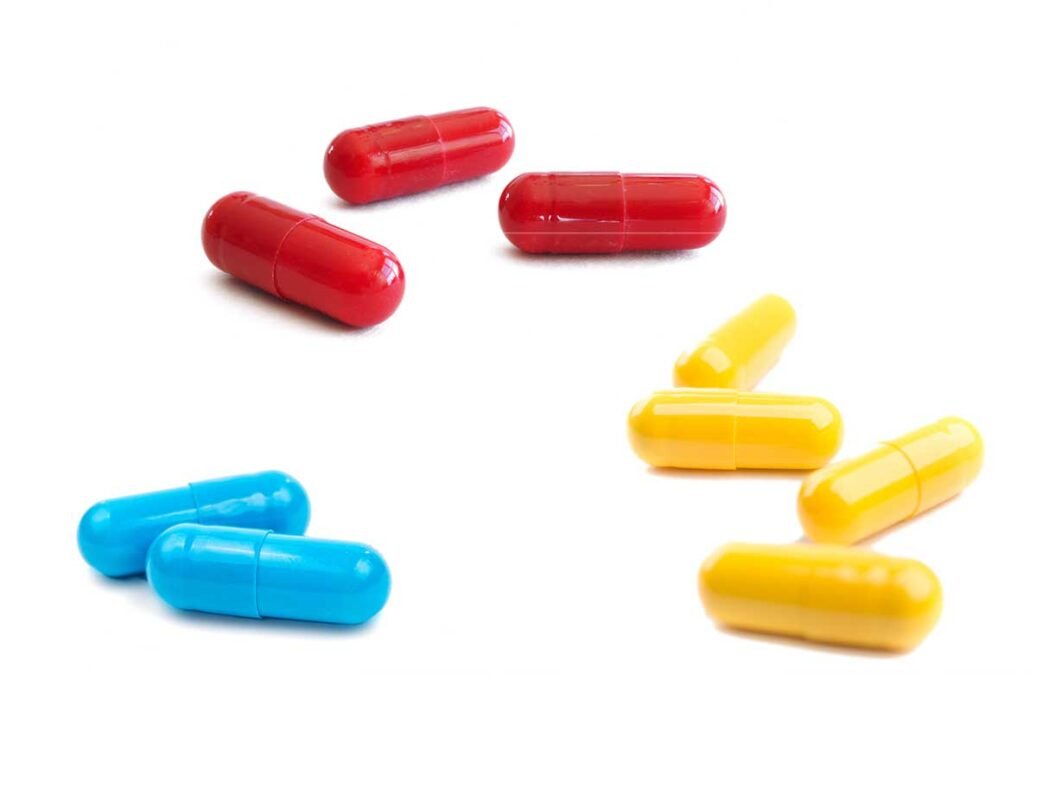
Capsules (Recommended): Many microdosers prefer capsules containing ground psilocybin powder. Similar to taking a measured vitamin C supplement instead of eating a whole orange, capsules provide precise dosing, quick absorption, eliminate unpleasant tastes, and minimize stomach discomfort.
Safety and Best Practices
To ensure a smooth experience, keep these core principles in mind:
-
Be Safe: Take your microdose in a secure, familiar environment, ideally surrounded by supportive, trustworthy people.
-
Start Low: Even if you think you know your tolerance, minor changes in potency can alter your day. Take your time incrementally adjusting amounts.
-
Go Slow: Avoid rushing your results. Patience ensures sustainable integration into your wellness routine.
Keep in mind that the effects of microdosing can be subtle. Some individuals do not notice immediate shifts until they temporarily stop taking their microdose schedule. If you are looking to support your daily wellness, mental focus, and holistic health, exploring microdosing might be the missing piece in your routine.
Frequently Asked Questions
Q: What is microdosing psilocybin?
A: Microdosing is the practice of consuming very small, sub-perceptual amounts of psilocybin mushrooms (typically one-tenth of a standard dose) on a regular schedule. The goal is to gain cognitive, emotional, and wellness benefits without experiencing any hallucinogenic or psychoactive effects.
Q: Will microdosing magic mushrooms make me trip?
A: No. A proper microdose is designed to be sub-perceptual. You should not experience visual hallucinations, altered reality, or intense psychoactive highs. Instead, users report subtle improvements in focus, mood, and daily energy levels.
Q: What is the standard microdose schedule?
A: A common microdosing schedule such as the Stamets protocol involves taking a dose on Day 1, followed by two consecutive days of no dosing (Day 2 and Day 3) to allow your neurological baseline to rest before repeating the cycle.
Q: How much psilocybin should I take for a microdose?
A: A typical microdose generally ranges between 0.2 to 0.3 grams of dried, ground psilocybin mushrooms, depending on individual body weight and sensitivity. Always remember to start low and go slow to find your optimal dosage.
Q: What are the main benefits of microdosing?
A: While research is ongoing, proponents and clinical studies suggest that microdosing can support neurogenesis (the growth of new neural pathways), enhance cognitive flexibility, improve mood, reduce daily stress, and boost overall creativity and mental clarity.
Q: What is the best way to consume a microdose?
A: While you can eat raw mushrooms or brew them into a tea, many microdosers prefer gel capsules containing ground psilocybin powder. Capsules ensure precise, consistent dosing, eliminate unpleasant tastes, and minimize potential stomach discomfort or nausea.
