
Contents [ Hide ]
Have you ever looked up at a star-filled night sky, listened to an atmospheric piece of music, or stared at an abstract painting and felt a sudden, inexplicable shift in your perception? Human consciousness is profoundly shaped by how we process reality. For thousands of years, people across every continent have sought out mind-expanding experiences to deepen their self-understanding, connect with nature, and explore the mysteries of existence.
Among the most powerful natural tools for personal exploration are psychedelics. In particular, psilocybin, which is the the primary psychoactive compound found in magic mushrooms, has guided spiritual practices, artistic expression, and healing traditions across human history. Today, we are witnessing a monumental cultural and scientific shift. Magic mushrooms are no longer viewed merely as a relic of the 1960s counterculture or a tool for recreational trips. Instead, modern medicine recognizes psilocybin as a groundbreaking candidate for treating severe mental health conditions, addiction, and debilitating neurological disorders.
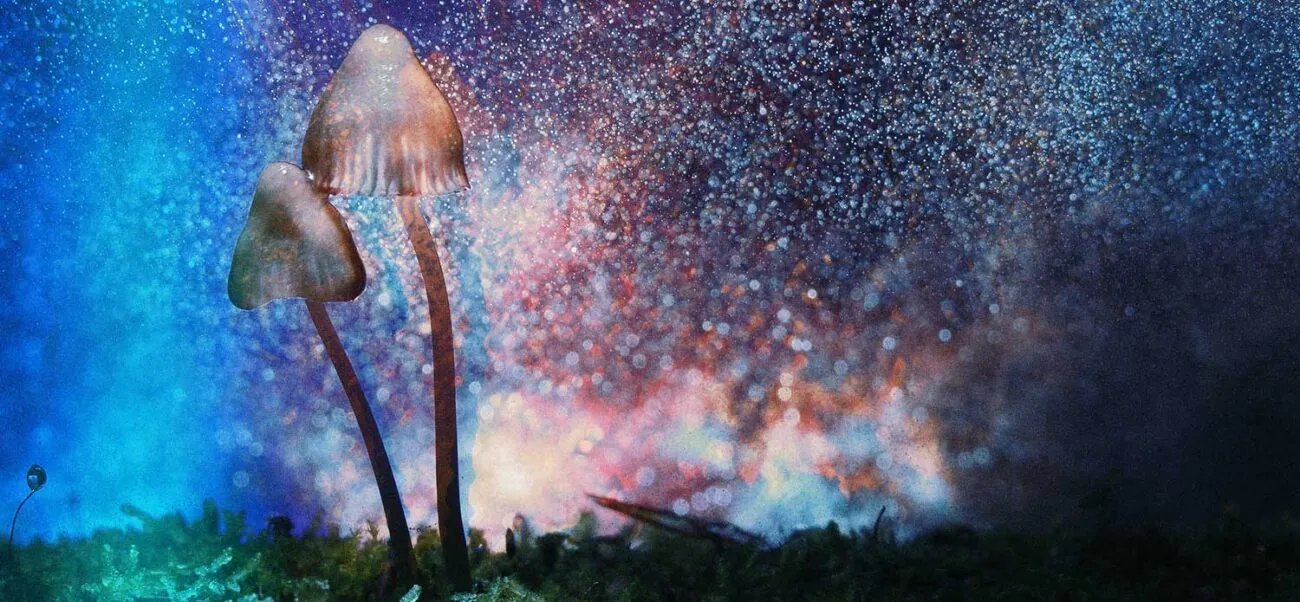
The Deep History and Cultural Origins of Fungi
The history of psilocybin is ancient, rich, and deeply intertwined with the evolutionary journey of humanity. Archaeological evidence and indigenous oral histories suggest that humans have consumed psychoactive fungi for tens of thousands of years.
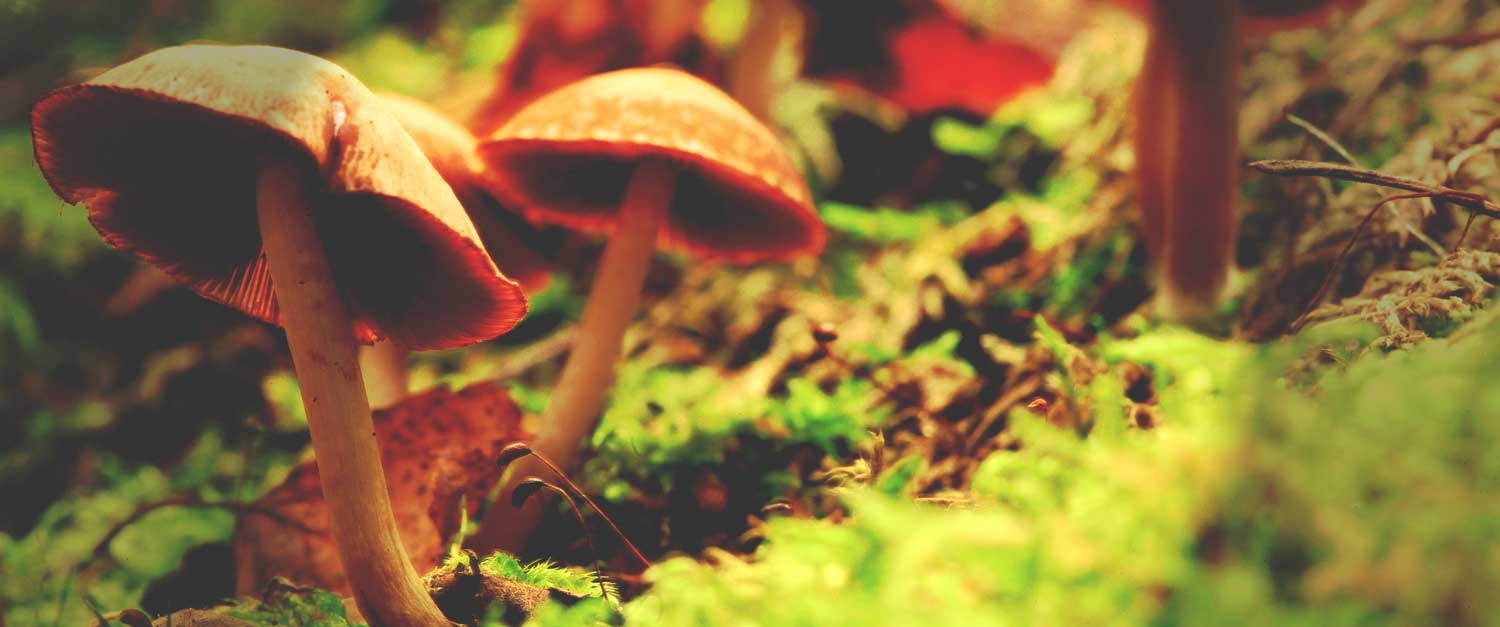
Indigenous Traditions Across the Globe
Long before modern laboratories synthesized pharmaceutical drugs, indigenous cultures utilized sacred plants and fungi as fundamental pillars of medicine and community life.
-
Mesoamerica: The Maya, Aztec, and Mazatec civilizations revered psilocybin mushrooms, referring to them in Nahuatl as Teonanácatl, which translates to “Flesh of the Gods.” Statues depicting mushroom deities dating back to 1000 BCE have been unearthed across Guatemala and Mexico, signaling their central role in divination and healing ceremonies.
-
Sahara and North Africa: Rock paintings in the Tassili n’Ajjer caves of Algeria, dating back over 7,000 years, depict anthropomorphic figures holding mushrooms with sprouted stems radiating from their bodies. This suggests that prehistoric hunter-gatherers utilized fungal medicine long before structured civilization emerged.
-
Eurasia and Beyond: Across Siberia and ancient Europe, various fungi were integrated into shamanic rites, seasonal solstice celebrations, and rites of passage to bridge the gap between the material world and the spirit realm.
The “Stoned Ape” Hypothesis
To explain the dramatic acceleration of human brain development, renowned ethnobotanists Terence and Dennis McKenna proposed the intriguing “Stoned Ape Theory.” This hypothesis suggests that as early hominids were forced out of shrinking tropical canopy forests and onto the open savannas, they tracked herds of wild ungulates. In the dung of these animals, they encountered and consumed Psilocybe cubensis.
The McKennas posited that low doses of psilocybin enhanced visual acuity for hunting, medium doses increased libido and community bonding, and higher doses catalyzed the rapid expansion of language, abstract thought, and self-awareness. While still debated among evolutionary biologists, the concept highlights the profound impact that natural neurochemicals may have had on early human cognition.
+-----------------------------------------------------------------------------------------+
|                          Milestones in the Evolution of Psilocybin                      |
+-----------------------------------------------------------------------------------------+
|  5000+ BCE   | Earliest rock art depictions of ritual fungal use in North Africa.       |
|  1500s CE    | Spanish conquistadors document and suppress Aztec mushroom ceremonies.   |
|  1955 CE     | R. Gordon Wasson participates in a Mazatec ceremony led by María Sabina. |
|  1958 CE     | Albert Hofmann isolates psilocybin and psilocin in Sandoz laboratories. |
|  1970 CE     | Controlled Substances Act classifies psilocybin as Schedule I.          |
|  2018–2020   | FDA designates psilocybin as a "Breakthrough Therapy" for depression.   |
|  Present     | Widespread clinical trial proliferation and decriminalization movements. |
+-----------------------------------------------------------------------------------------+


The Modern Psychedelic Renaissance
The modern world’s encounter with psilocybin began in earnest in 1955, when amateur mycologist R. Gordon Wasson traveled to Huautla de Jiménez, Mexico. Guided by the legendary Mazatec curandera (healer) María Sabina, Wasson participated in a sacred night ritual known as a Velada. His subsequent 1957 article in LIFE Magazine, titled “Seeking the Magic Mushroom,” introduced psilocybin to Western popular culture.
Samples brought back to Europe allowed Swiss chemist Albert Hofman, considered the father of modern LSD, to isolate psilocybin and its active form, psilocin, in 1958. This discovery ignited an explosion of psychiatric research throughout the 1960s. However, as psychedelic use spilled into social movements, political backlash led to global prohibition under the 1970 Controlled Substances Act.
After decades of forced stagnation, a “Psychedelic Renaissance” took root in the early 2000s. Led by researchers at Johns Hopkins University, Imperial College London, and NYU, modern clinical trials have revived the scientific study of psilocybin, proving its unprecedented efficacy in controlled clinical settings.
The Neuroscience: How Psilocybin Interacts with the Brain
To understand why psilocybin has such a profound impact on human emotion, perception, and behavior, we must look at how it alters brain chemistry and functional connectivity.
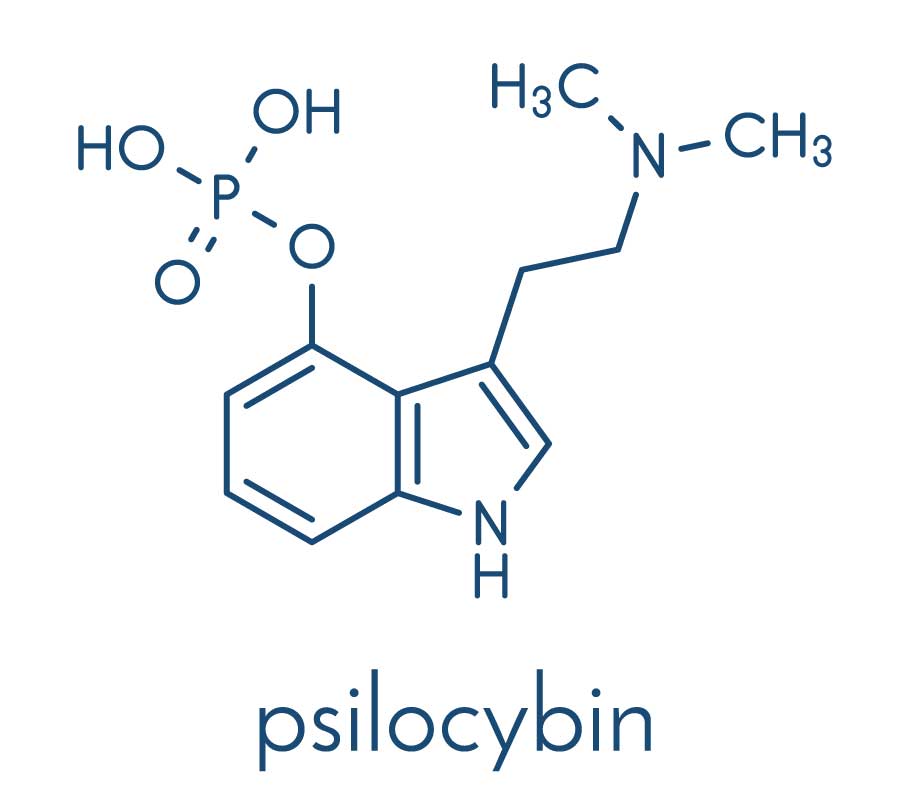
Metabolism: From Prodrug to Active Compound
Psilocybin itself is actually a biologically inactive “prodrug.” When consumed, the human digestive system undergoes a metabolic process called dephosphorylation. Stomach acid and alkaline phosphatase enzymes strip away a phosphate group, transforming psilocybin into its pharmacologically active form: psilocin.
[ Ingested Psilocybin ] ──( Enzymatic Dephosphorylation )──> [ Active Psilocin ] ──> [ Blood-Brain Barrier ]
Psilocin’s molecular structure closely resembles serotonin (5-hydroxytryptamine), one of the brain’s primary neurotransmitters responsible for regulating mood, anxiety, appetite, and sleep. Because of this structural similarity, psilocin easily passes through the blood-brain barrier and binds directly to serotonin receptors, most notably the 5-HT2A receptor subtype.
Suppressing the Default Mode Network (DMN)
The most groundbreaking discovery in modern neuroimaging is psilocybin’s effect on the Default Mode Network (DMN). The DMN is a interconnected network of brain regions that becomes active when we are not engaged in a specific task. It governs our internal narrative, self-reflection, ego identity, and autobiographical memory.
In conditions such as major depressive disorder, obsessive-compulsive disorder (OCD), and PTSD, the DMN becomes hyperactive and overly rigid. This manifests as destructive rumination, repetitive negative thought loops, and an overbearing sense of ego-defense.
When psilocin binds to 5-HT2A receptors:
-
DMN Activity Decreases: The rigid control of the DMN is temporarily quieted, effectively dissolving the boundaries of the ego (a phenomenon known as “ego dissolution”).
-
Cross-Brain Connectivity Increases: Regions of the brain that normally do not communicate directly begin to form dense, interconnected networks.
-
Cognitive Flexibility Expands: This unconstrained brain state allows individuals to view past trauma, personal relationships, and deep-seated fears from an entirely new, unburdened perspective.
Promoting Neurogenesis and Structural Plasticity
Beyond temporary altered states, psilocybin triggers long-term biological changes through neuroplasticity. Research shows that activation of 5-HT2A receptors stimulates the expression of Brain-Derived Neurotrophic Factor (BDNF). BDNF acts like fertilizer for neurons, encouraging the growth of new dendritic spines, strengthening synaptic connections, and enabling the brain to physically rewire itself. This structural plasticity explains why a single therapeutic session can produce lasting improvements in mood and outlook for months after the substance has left the body.
Clinical Applications and Mental Health Breakthroughs
As clinical trials advance, medical regulatory bodies around the world are re-evaluating psilocybin. The US Food and Drug Administration (FDA) granted psilocybin “Breakthrough Therapy” designation for Treatment-Resistant Depression and Major Depressive Disorder, accelerating its pathway toward clinical integration.
+-----------------------------------------------------------------------------------------+
|                       Key Therapeutic Targets for Psilocybin Medicine                   |
+-----------------------------------------------------------------------------------------+
| Condition                   | Primary Therapeutic Mechanism                             |
+-----------------------------+-----------------------------------------------------------+
| Treatment-Resistant         | Disrupts hyperactive DMN rumination; promotes new         |
| Depression                  | emotional perspectives and neural connectivity.          |
+-----------------------------+-----------------------------------------------------------+
| End-of-Life Existential     | Induces mystical-type experiences that reduce anxiety     |
| Distress                    | and foster acceptance in terminal cancer patients.        |
+-----------------------------+-----------------------------------------------------------+
| Addiction & Substance Use   | Weakens habitual craving pathways; enhances motivation    |
| Disorders                   | and psychological flexibility to break dependencies.       |
+-----------------------------+-----------------------------------------------------------+
| Post-Traumatic Stress       | Allows patients to process traumatic memories without     |
| Disorder (PTSD)             | triggering acute panic or fight-or-flight responses.     |
+-----------------------------+-----------------------------------------------------------+
Depression and Anxiety Relief
Major depressive disorder affects hundreds of millions of people globally, yet traditional SSRI antidepressants often require daily use, carry side effects, and fail to provide relief for a vast portion of patients. In contrast, clinical trials published in journals like NEJM and JAMA Psychiatry show that psilocybin-assisted psychotherapy produces rapid, substantial, and sustained reductions in depressive symptoms, often lasting up to a year following two structured sessions.
End-of-Life Care and Existential Distress
Pioneering studies conducted at Johns Hopkins University evaluated psilocybin in patients diagnosed with life-threatening cancer who suffered from severe existential anxiety and depression. Results showed that over 80% of participants experienced significant, long-lasting decreases in depression and death anxiety. Many described the session as one of the most spiritually meaningful experiences of their entire lives, helping them reconcile with mortality and find peace.
Breaking Addiction Loops
Psilocybin is also demonstrating remarkable efficacy in treating substance use disorders, including chronic alcoholism and nicotine addiction. Traditional addiction treatments often struggle with high relapse rates because severe cravings are deeply ingrained in automated neural pathways. By interrupting these habitual patterns and granting psychological distance from cravings, psilocybin-assisted therapy has achieved abstinence rates higher than almost any conventional pharmaceutical intervention in pilot studies.
Practical Methods of Consumption and Dosing Frameworks
Whether used in clinical therapy, personal spiritual exploration, or daily functional wellness, how psilocybin is ingested plays a critical role in the nature of the experience.
1. Whole Dried Mushrooms
Consuming raw dried caps and stems of Psilocybe cubensis remains the traditional and most common method. While straightforward, raw chitin (the tough fibrous material forming fungal cell walls) can be difficult for the human stomach to break down, occasionally causing mild nausea or cramping during the onset.
2. Mushroom Teas and Infusions
Steeping crushed dried mushrooms in hot water with ginger, lemon, or chamomile offers a smoother alternative. Liquid extractions remove the need to digest raw fungal tissue, significantly reducing stomach upset. Additionally, liquid absorption speeds up the onset of effects, providing a faster transition into the experience.
3. Pre-Measured Capsules
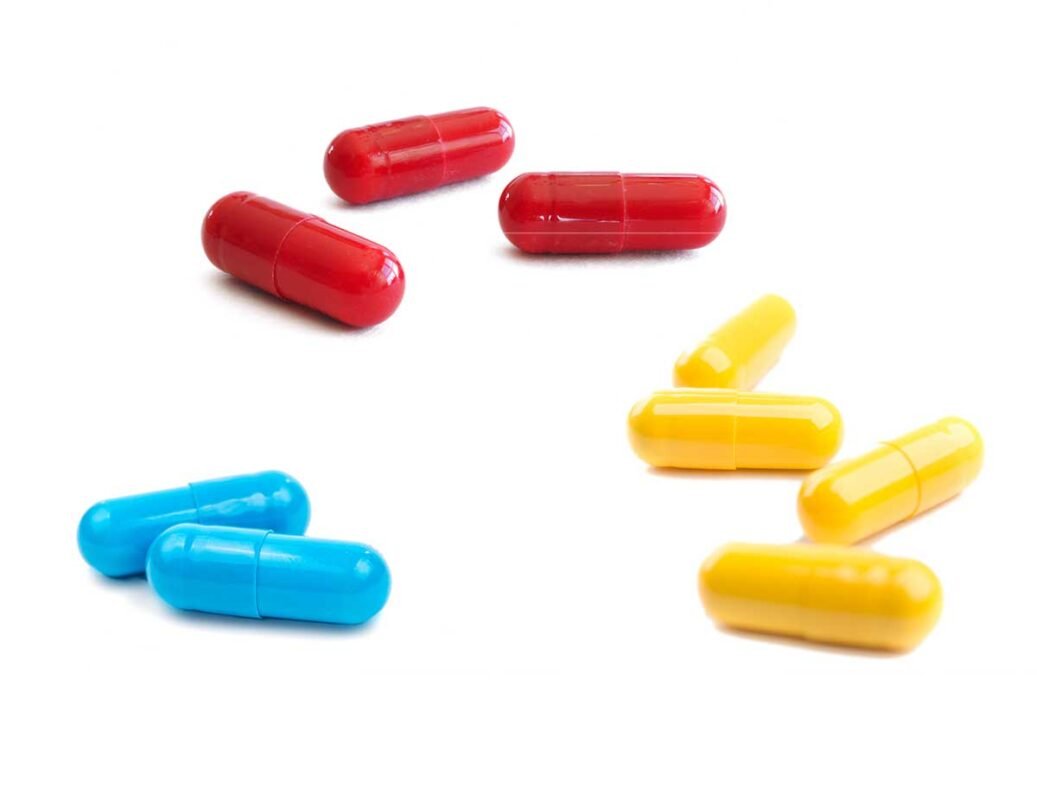
Psilocybin capsules contain precisely weighed, finely ground mushroom powder or standardized extracts inside a gelatin or vegetable shell. Capsules eliminate the bitter, earthy taste of raw fungi while guaranteeing accurate dosage control. This makes them the preferred format for both medical protocols and home routines.
4. The Microdosing Protocol
For those seeking cognitive and emotional support without experiencing an intense trip, microdosing has become a transformative lifestyle practice.
      RECREATIONAL / THERAPEUTIC DOSE                     MICRODOSE
   (1.5g – 3.5g+ Dried Mushrooms)                 (0.05g – 0.2g Dried Mushrooms)
  +--------------------------------+             +-------------------------------+
  | • Full sensory trip            |             | • Sub-perceptual benefits     |
  | • Visual hallucinations        |     VS      | • No visual changes           |
  | • Temporary loss of ego        |             | • Enhanced focus & creativity |
  | • Requires 6+ hours dedicated  |             | • Fits into daily routine     |
  +--------------------------------+             +-------------------------------+
A microdose typically consists of 50mg-200mg (0.05g to 0.2g) of dried mushroom powder, roughly 1/10th-1/20th of a full dose. Taken every few days according to structured protocols (such as the Fadiman Protocol or Stamets Stack), microdosing delivers sub-perceptual benefits:
-
Sustained Mental Focus: Enhances flow states and problem-solving without the nervous energy or crashes associated with high caffeine intake.
-
Emotional Balance: Reduces daily workplace stress, social anxiety, and mood swings.
-
Creative Inspiration: Promotes divergent thinking and novel connections during artistic, professional, or academic work.
To learn more about setting up a safe, structured routine, explore our comprehensive guide on what microdosing is and how it can benefit you.
Recommended Resources and Further Reading
Want to expand your knowledge of psychedelics, cultivation, and personal growth? Check out these valuable resources:
-
Internal Guides:
-
External Research & Evidence:
Frequently Asked Questions
Q: What is the difference between psilocybin and psilocin?
A: Psilocybin is the naturally occurring compound found inside magic mushrooms. When ingested, your body's metabolic enzymes break down psilocybin into psilocin through a process called dephosphorylation. Psilocin is the active compound that actually crosses the blood-brain barrier to produce psychedelic and cognitive effects.
Q: Will microdosing psilocybin cause hallucinations?
A: No. A microdose is a sub-perceptual amount (usually between 0.05g and 0.2g). It is designed to subtly improve focus, mood, energy, and creativity without causing visual hallucinations, alteration of reality, or impairing your ability to work, drive, or manage daily responsibilities.
Q: How long do the effects of a full psilocybin dose last?
A: A full therapeutic or recreational trip typically lasts between 4 to 6 hours, with peak effects occurring around 2 to 3 hours after ingestion. Microdoses do not produce a "peak" or noticeable trip, offering subtle cognitive support throughout your normal day.
Q: Can psilocybin help with anxiety and depression?
A: Yes. Clinical trials conducted by top universities show that psilocybin can significantly reduce symptoms of treatment-resistant depression, anxiety, and PTSD by promoting neuroplasticity, stimulating BDNF production, and quietening the overactive thought loops generated by the Default Mode Network.
Q: What is the safest way to prevent nausea when taking shrooms?
A: Nausea is primarily caused by raw chitin found in mushroom cell walls, which is difficult for human digestive enzymes to break down. Steeping ground mushrooms into a hot tea or taking finely milled psilocybin capsules can drastically reduce or eliminate stomach discomfort.
Q: Are psilocybin mushrooms legal?
A: Legal status varies by jurisdiction. Countries like Canada allow access under specific medical exemptions, while several US cities and states have passed measures to decriminalize personal possession and establish regulated adult-use or therapeutic frameworks. Always check your local laws before acquiring or consuming psilocybin products.
