
Contents [ Hide ]
Magic comes in many forms. Cinema can transport us. Live music can lift a crowd. Sports can create pure adrenaline. Yet one of the oldest and strangest kinds of magic has been growing quietly under our feet for millions of years. We are talking about magic mushrooms—the fungi that contain psilocybin and have fascinated humans for thousands of years.
If you have ever wondered what makes these mushrooms “magic,” or why people still talk about them with a mix of curiosity and awe, you are in the right place. This post shares fun & odd facts about magic mushrooms, explores their deep history, looks at where they grow, and digs into some of the weirdest stories and scientific discoveries surrounding them.
The Fascinating Story of Magic Mushrooms
How Old Is the History of Magic Mushrooms?
Fungi are among Earth’s oldest life forms. Some researchers, including mycologist Paul Stamets, have noted that humans share surprising genetic similarities with certain fungi. These connections run deeper than most people realize. Today scientists have identified more than 200 species that contain psilocybin. Most belong to the genus Psilocybe, though related compounds also appear in other genera.
Recorded human use of these mushrooms stretches back thousands of years. Cave art and cultural artifacts from the Sahara, Spain, Asia, and the Americas show early relationships with psychedelic fungi. In Mesoamerica, the Maya, Aztecs, and other peoples used psilocybin mushrooms in spiritual and healing ceremonies. They called them teonanácatl, meaning “flesh of the gods.”
Mushroom teas and rituals appear across Asia as well. Ancient cultures valued these fungi for more than visions. They noticed effects on pain, mood, energy, and overall well-being. Modern research continues to explore those same potential therapeutic applications.
Did Magic Mushrooms Come From Space?
Some wild theories even suggest fungal spores arrived on Earth via comets. While evidence for that idea remains thin, it highlights how otherworldly these organisms can feel. Fungi have survived ice ages, mass extinctions, and dramatic climate shifts. Their resilience is part of what makes them so fascinating.
Learn More: For a deeper look at the compound itself, its history, and modern research, see our full guide on what is psilocybin and its healing potential.
Magic Mushrooms and Their Role in Health and Medicine
How Have Magic Mushrooms Influenced Medicine?
Yes, both historically and in current research. Medicinal mushrooms (including psilocybin species) appear in records dating to at least 9000 BCE. Traditional uses focused on reducing pain, easing nausea, supporting immunity, and lifting mood.
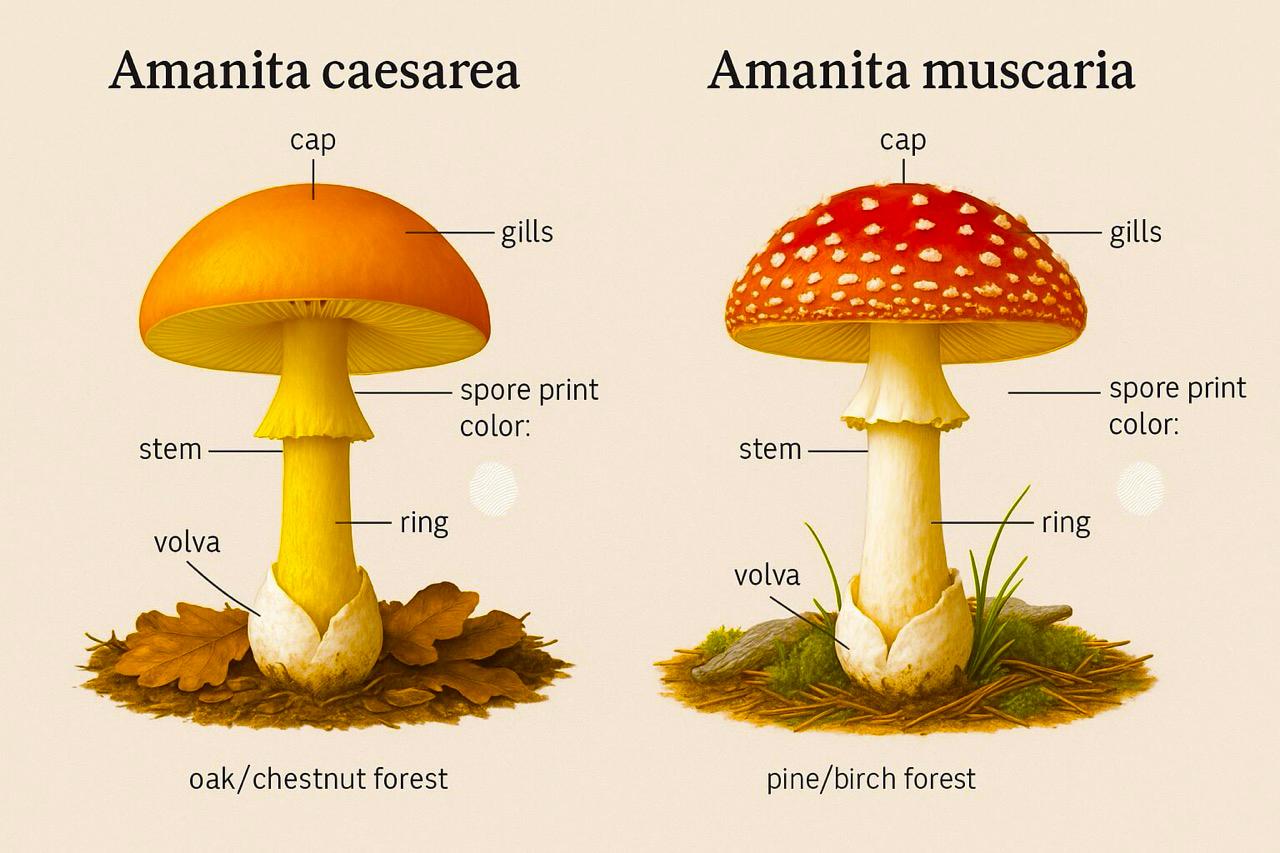
Today, clinical interest has surged. Studies examine psilocybin for treatment-resistant depression, anxiety, PTSD, and end-of-life distress. The compound interacts with serotonin receptors, particularly 5-HT2A. This interaction may promote neuroplasticity, the brain’s ability to form new connections. Research has found changes in neural structure and brain network connectivity following psilocybin exposure.
These findings help explain why some people report lasting shifts in perspective after carefully supported use. A detailed exploration of the effects appears in our article on what magic mushrooms do to your mind and body. Ancient peoples may not have used modern scientific language, but they clearly recognized the profound effects these fungi could have on the mind and body.
Where Do Psilocybin Mushrooms Grow?
Which Regions Have the Most Magic Mushrooms?
Psilocybin mushrooms grow on every continent except Antarctica. They adapt to a wide range of environments—from tropical rainforests and cattle pastures to temperate grasslands and woodlands.
Psilocybe cubensis thrives in warmer climates and often appears near livestock. Psilocybe semilanceata (liberty caps) prefers cooler, grassy areas and ranks among the most widely distributed species. Mexico hosts the greatest diversity, with dozens of documented species. North America, Europe, Asia, Australia, and parts of Africa also support native populations.
How Large Can Fungi Grow?
Some non-psilocybin fungi grow to impressive sizes. The largest known organisms by area include honey fungus (Armillaria) colonies in Oregon that span hundreds of hectares underground. While psilocybin species stay much smaller, their impact on human consciousness is outsized. Readers interested in learning about the products available through our store can browse the mushrooms collection.
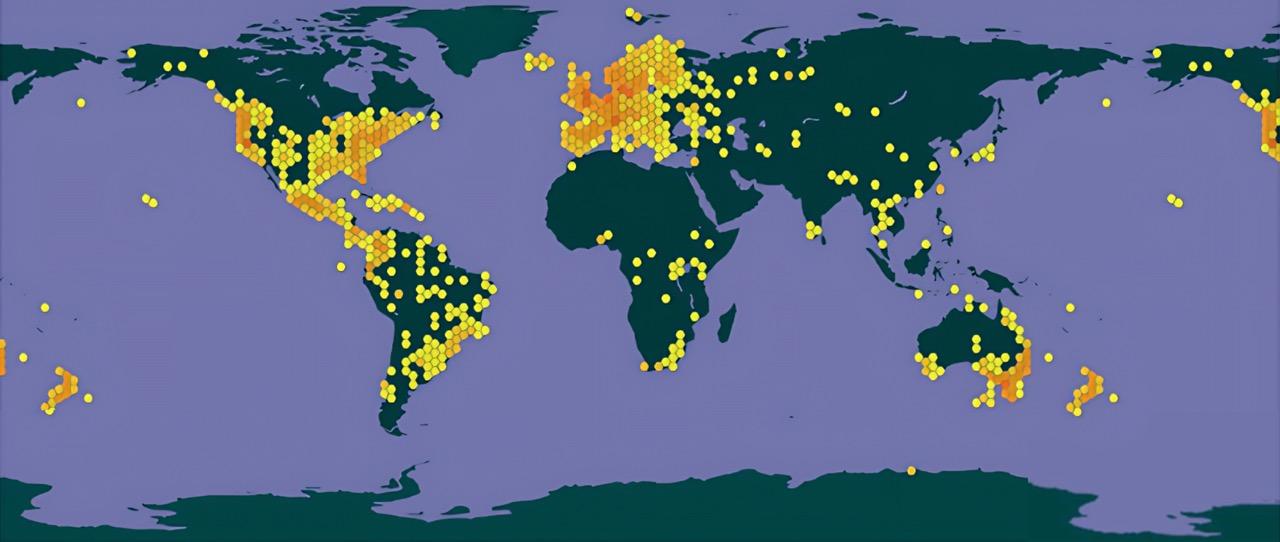
World map highlighting the global distribution of species in the genus Psilocybe. Courtesy: ResearchGate.
The Weird and Wonderful World of Psilocybin
What Makes a Mushroom “Magic”?
The “magic” comes from two main compounds: psilocybin and its active form, psilocin. When you consume the mushrooms, your body converts psilocybin into psilocin. Psilocin then interacts with serotonin receptors and produces characteristic changes in perception, emotion, and thought. Around 180–200 species are commonly cited as containing psilocybin. Cultivated varieties of Psilocybe cubensis include Golden Teachers, B+, and Mazatapec.
Each variety may differ in chemical composition, but the effects of a particular mushroom can vary considerably. Potency, individual biology, and other factors all influence the experience. Learn more about the different types of mushrooms in our mushroom collection, including Mazatapec mushrooms and Golden Teachers mushrooms.
Are Magic Mushrooms Really Connected to Santa Claus?
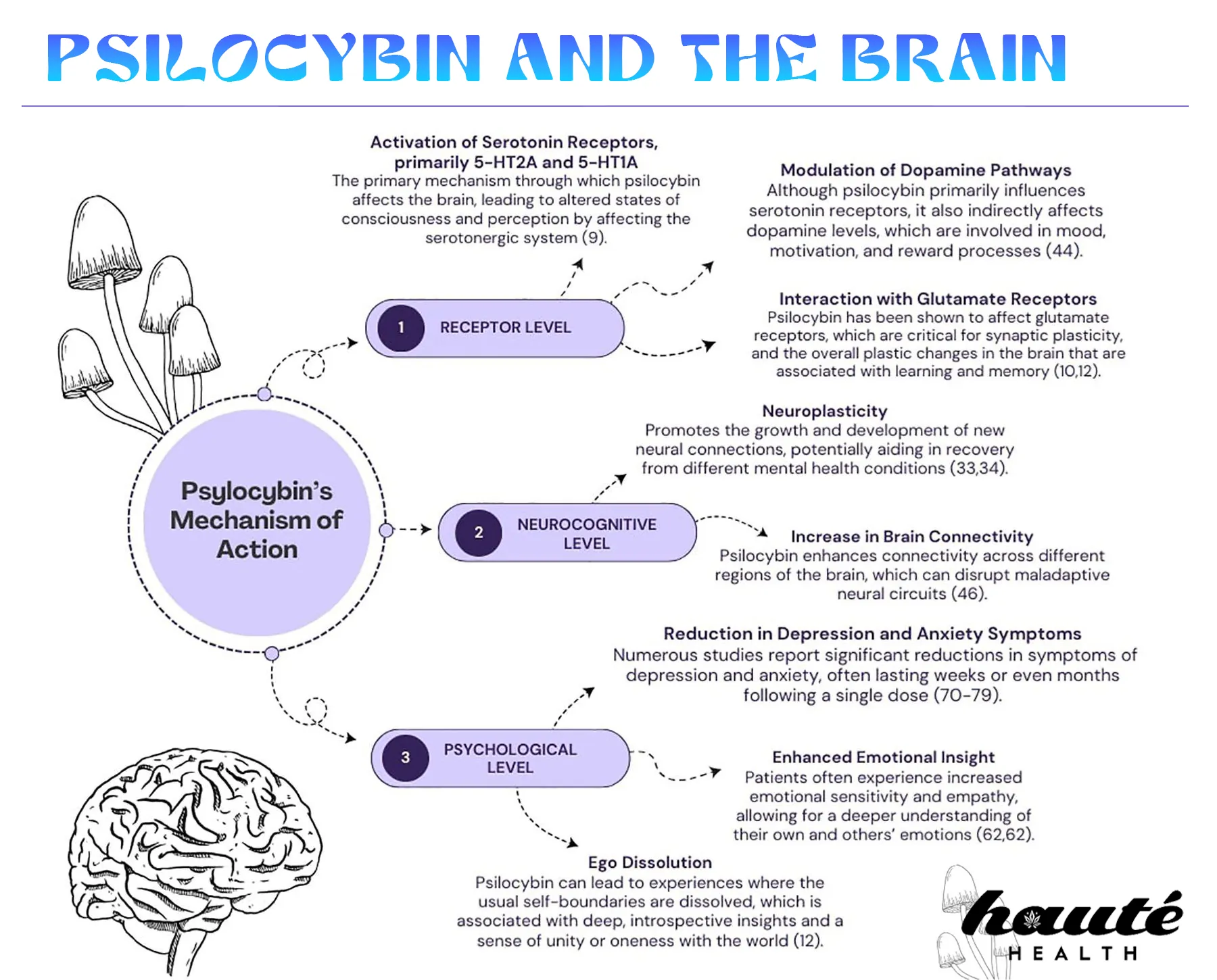
This is one of the most entertaining—and debated—stories in mushroom lore. The theory links Santa Claus to Siberian and Arctic shamans who used the striking red-and-white Amanita muscaria mushroom.
According to the popular version, shamans collected the mushrooms, dried them, and distributed them during the winter solstice. Because deep snow often blocked doors, they supposedly entered homes through smoke holes in the roof—an image that reminds many of chimneys. The mushrooms’ bright red caps with white spots resemble Santa’s classic outfit. Reindeer in the region are known to eat Amanita muscaria, and some accounts claim the animals’ behavior inspired flying reindeer legends. The mushrooms also grow near pine trees, echoing the Christmas tree tradition.
Important clarification: Amanita muscaria does not contain psilocybin. Its active compounds are muscimol and ibotenic acid, which produce different effects. Historians and anthropologists have also pointed out major gaps in the evidence connecting this mushroom to Santa Claus. The modern image of Santa evolved largely in 19th-century America from the Dutch figure of St. Nicholas, with heavy influence from writers and illustrators. Still, the parallels make for a wonderfully weird holiday story that continues to capture imaginations.
What Science Reveals About Magic Mushrooms and the Brain
Can Magic Mushrooms Change the Brain?
Psilocybin has been linked to changes in neuroplasticity—the brain’s ability to form and reorganize neural connections. Studies in animals and humans have investigated changes in dendritic spines, which help neurons communicate. Some research suggests that these structural changes may persist beyond the immediate psychedelic experience.
Research also links psilocybin to changes in the default mode network and communication between brain regions. Some participants report greater cognitive flexibility, reduced rigid thinking, and a quieter sense of ego. These findings help explain why clinical trials are investigating psilocybin-assisted therapy for depression and other conditions involving persistent patterns of thought.
What Factors Influence the Psychedelic Experience?
The experience remains highly individual. Set, setting, dosage, and personal history can all shape the outcome. Psilocybin is not risk-free, and research findings do not mean that unsupervised use is an established treatment for mental health conditions. Its potential therapeutic applications remain an active area of scientific study.
Learn More: Explore our comprehensive guide to what microdosing with psilocybin is.
Why Magic Mushrooms Continue to Fascinate Us
Magic mushrooms have walked alongside humanity for a very long time. From ancient ceremonies to modern laboratories, they continue to surprise us. Whether you approach them with curiosity, respect, or scientific interest, the fun and odd facts about magic mushrooms reveal just how remarkable the fungal kingdom truly is.
Always research local laws, prioritize safety, and consider speaking with a qualified healthcare professional before exploring any psychoactive substance.
Frequently Asked Questions
Q: What exactly makes a mushroom “magic”?
A: A mushroom earns the “magic” label when it contains psilocybin (and its active form, psilocin). These compounds interact with serotonin receptors in the brain and produce changes in perception, mood, and thought. Roughly 200 species across several genera contain them, with Psilocybe being the most well-known group.
Q: Where do psilocybin mushrooms grow in the wild?
A: They grow on every continent except Antarctica. You can find them in tropical pastures, temperate grasslands, forests, and woodlands. Psilocybe cubensis prefers warmer climates, while liberty caps (P. semilanceata) favor cooler grassy areas. Mexico holds the highest species diversity.
Q: Did magic mushrooms really inspire the Santa Claus legend?
A: The popular theory connects Siberian shamans, the red-and-white Amanita muscaria mushroom, reindeer, and winter solstice gift-giving to modern Santa imagery. It makes a colorful story, but historians note significant gaps in the evidence. Amanita muscaria also contains different active compounds (muscimol, not psilocybin). The tale remains a fun piece of mushroom folklore rather than established history.
Q: How have people used magic mushrooms throughout history?
A: Archaeological and cultural records show use dating back thousands of years in Mesoamerica, parts of Africa, Asia, and Europe. Indigenous groups employed them in spiritual ceremonies, healing practices, and community rituals. Modern interest focuses on both traditional wisdom and clinical research into mental health applications.
Q: Can psilocybin actually rewire the brain?
A: Yes. Multiple studies demonstrate that psilocybin promotes neuroplasticity. It can increase dendritic spine density, strengthen certain neural pathways, and temporarily quiet the default mode network. These changes appear relatively quickly and may persist for weeks, supporting the lasting shifts many people report in mood, perspective, and cognitive flexibility.
Q: What is the difference between psilocybin mushrooms and Amanita muscaria, and why does it matter for the Santa story?
A: Psilocybin mushrooms contain psilocybin and psilocin, which act primarily on serotonin receptors and produce classic psychedelic effects. Amanita muscaria (the red-and-white mushroom often linked to Santa) contains muscimol and ibotenic acid, which act on GABA receptors and create a more dream-like, dissociative experience. The compounds, effects, risks, and traditional uses differ significantly. Confusing the two leads to inaccurate folklore and potential safety issues. Always identify mushrooms with certainty or obtain them from trusted, legal sources.
